

Customer journey touchpoints are the points through which consumers come into contact with our brand. Touchpoints can occur both online and offline, and it is up to us to define them through a clear customer journey map. Identifying the various points of contact determines brand positioning and the opportunities for building relationships with customers. A customer without an induced need, or without awareness of the brand, will not actively search for our product. For this reason, we must consider every stage that can support and strengthen the relationship with the user.
Touchpoints do not only relate to the pre-purchase and purchase phases. They should also engage users after the sale. Post-purchase touchpoints can take many forms, such as customer care, newsletters, or packaging. However, many companies underestimate packaging. In reality, it is a fundamental element of the purchasing experience, as it influences sentiment and contributes to the customer’s lifetime value.
Customers do not purchase just a product, but also the experience associated with it. Packaging should convey the brand values with which customers identify. Today, most purchases take place online through e-commerce platforms. As a result, the main touchpoints are digital, while in e-commerce the only offline touchpoint is delivery.
Users who prefer to shop offline, in-store, often do so for the purchasing experience itself.
This applies to luxury goods as well as other product categories.
In a physical store, immersion is total: product layout, the ability to touch and try items, empathy with staff, music, and furnishings create an engaging experience that speaks to the customer’s emotions.
During an online purchase, delivery should recreate at least part of this experience.
This is one of the touchpoints that make up the omnichannel ecosystem behind a brand marketing strategy. The goal is to connect physical and digital touchpoints to create continuity in the customer experience at every stage of the journey.
When we talk about packaging, we also talk about shipping, including fast delivery times, free returns, and refunds. The packaging that contains the product is often handled by shipping providers, each with their own standards and identity. However, brands can still maintain their recognizability throughout the shipping process.
Among the most effective examples is Amazon, whose boxes are immediately recognizable. Companies such as Mango, Zara, and Zalando also apply similar principles when shipping their products.
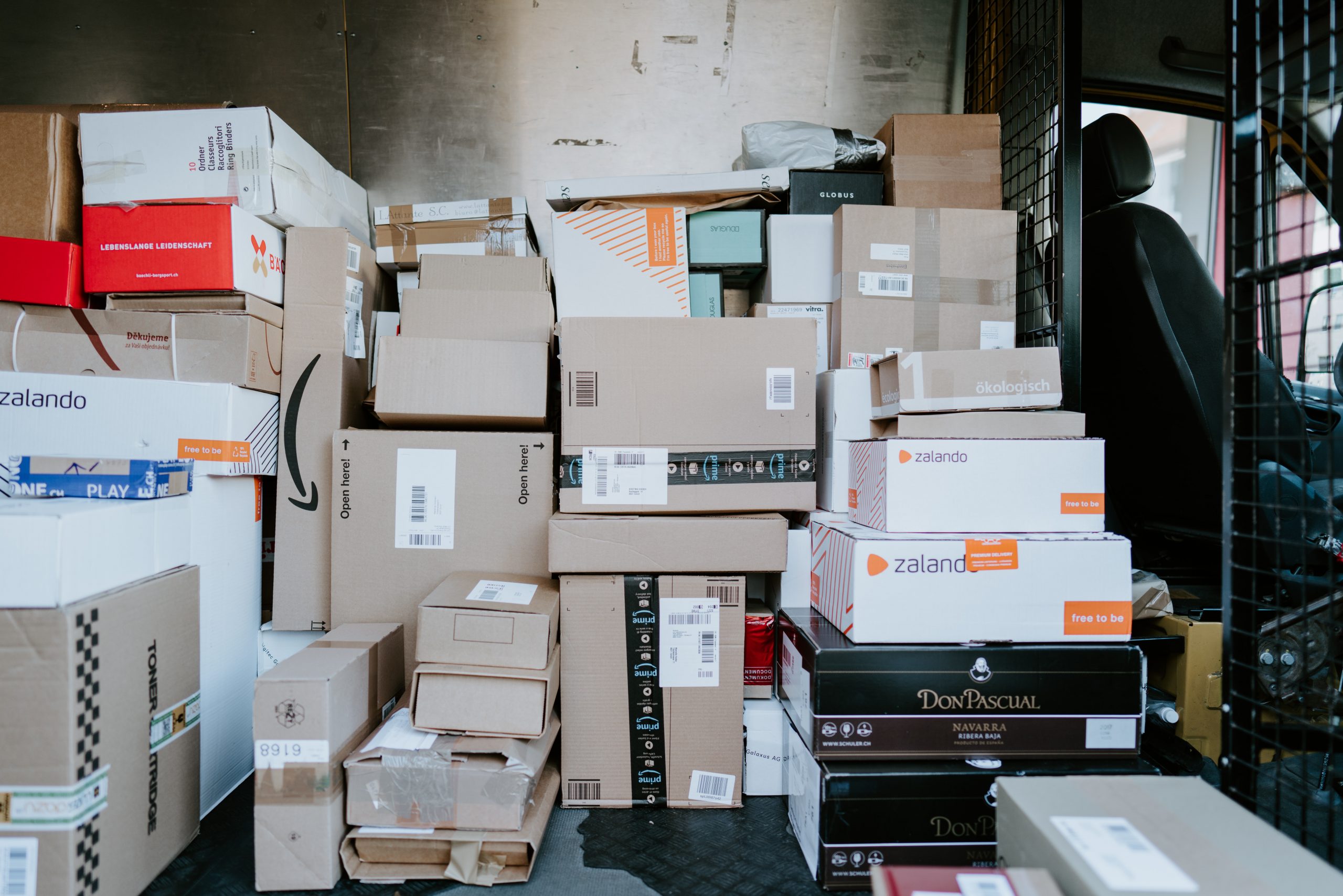
Another aspect to take into account when we think of our packaging is the eco-sustainability, very often this type of packaging are reused by customers to return the goods in case of returns.
The packaging therefore must not only transport our objects and protect them during transport but must take care of the experience that will arise once in the hands of our customer.