
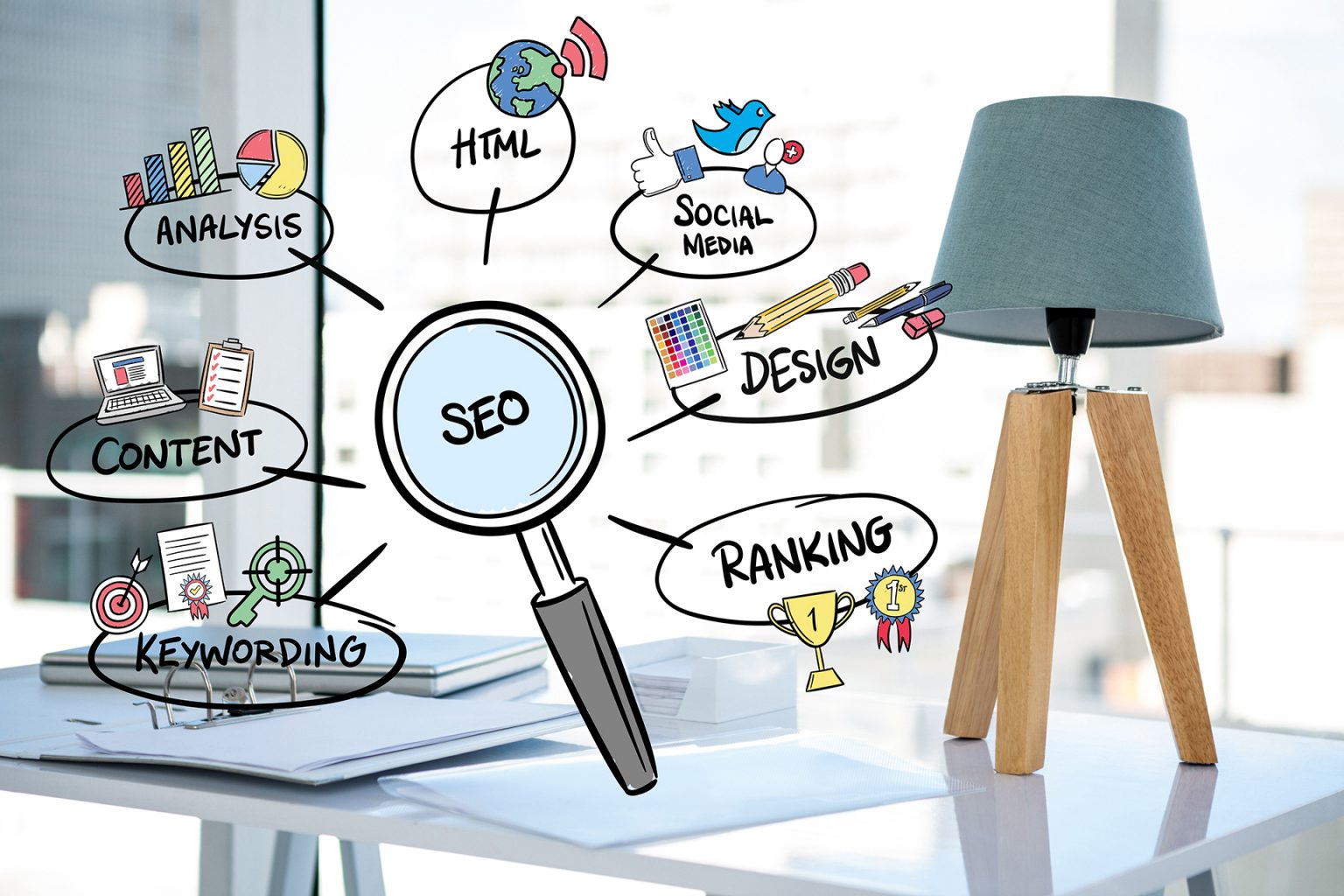
Tools for seo
SEO is a set of strategies and techniques aimed at increasing the organic (non-paid) visibility of any website in search engine results. The acronym stands for Search Engine Optimization, which literally means optimizing for search engines. In other words, SEO includes everything that helps a website improve its position on Google.
It is a web marketing activity that differs from SEA (Search Engine Advertising). SEA includes all actions aimed at gaining visibility through paid ads. As a result, SEM (Search Engine Marketing) encompasses both activities, allowing brands to work with both organic and paid strategies. For this reason, it is useful to distinguish between the two approaches.
To better understand this, let’s look at what SEO really means. Imagine searching on Google for the keyword “red shoes”. Google will then return the most relevant results based on the words entered. Specifically, in the top three positions of the organic search results, after the sponsored ads, we will find the most relevant content. This result reflects the work done through SEO.
The latter is divided into two areas: onsite SEO and offsite SEO. Onsite SEO includes all the actions carried out within the website to improve its optimization for search engines. Offsite SEO, on the other hand, focuses on what happens outside the website’s domain. In short, the former works on the internal structure, while the latter strengthens external authority.
The elements of offsite Seo:
- Backlinks, external links pointing to our site
- Digital PR
- Social media
Tools for seo:
However, we must consider that user search today is increasingly complemented by voice search alongside traditional queries. In fact, with the growing adoption of devices such as Alexa, Siri, and Google Assistant, it becomes necessary to rethink language from an SEO perspective. As a result, there is increasing discussion around PASO, or Personal Assistant Engine Optimization. This new approach to optimization is no longer designed solely for search engines that scan millions of textual and visual data; instead, it increasingly aligns with natural language.